Schedule an Inspection to Get Started!
Talk to Our Experts Today to Find Out What We Can Do for YouHigh-Performance Modified Bitumen Roofing Systems for Commercial Buildings
Modified Bitumen Roofing: Multi-Layer Durability You Can Rely On
Modified bitumen is an asphalt-based commercial roofing system that combines the time-tested waterproofing properties of built-up roofing (BUR) with modern polymer technology. The membrane consists of asphalt reinforced with polyester or fiberglass, modified with either SBS (styrene-butadiene-styrene) rubber or APP (atactic polypropylene) plastic to improve flexibility, durability, and weather resistance. Unlike single-ply systems such as TPO or EPDM that rely on a single layer of membrane, modified bitumen is applied in multiple layers, typically a 2-3 ply system. This multi-layer approach provides built-in redundancy: if one layer is punctured by foot traffic, falling debris, or equipment, the layers beneath continue to protect your building. This is why modified bitumen remains the system of choice for commercial buildings that see heavy rooftop activity.
The top layer, called the cap sheet, is available with a granulated surface in white or light colors for solar reflectance, or with a smooth surface that can be coated with reflective roof coatings. Granulated cap sheets provide additional UV protection and improve the roof’s fire rating, while also offering excellent traction for maintenance personnel walking on the roof. The trusted choice for restaurants, retail, and high-traffic commercial roofs, modified bitumen roofing is well-suited for Texas commercial buildings where durability and safety are crucial.
Modified Bitumen Membrane Choices and Their Advantages
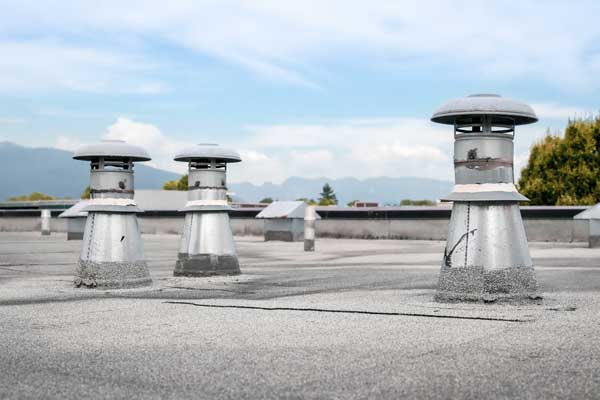
Each modified bitumen membrane is engineered for high performance under demanding conditions. SBS (styrene-butadiene-styrene) modified bitumen membrane is preferred in Central Texas for its exceptional flexibility across a wide range of temperatures, from winter freezes to extreme summer heat. APP (atactic polypropylene) modified bitumen membrane delivers superior UV resistance, although it can be less resilient to temperature swings. The membrane’s thick, reinforced layers provide a significant safety margin, helping prevent leaks even if the top surface is compromised.
The granulated cap sheets of modified bitumen membranes not only offer excellent protection from UV but also increase the roof’s fire resistance and improve footing for maintenance workers and HVAC technicians. These properties make modified bitumen the ideal choice for buildings that experience regular rooftop access or house sensitive equipment. The technology’s 40+ year track record demonstrates its reliability in all types of commercial settings.
Installation Methods for Modified Bitumen Roofing System
There are several modified bitumen roofing installation techniques available, each matched to your building’s requirements and project safety needs. Torch-applied modified bitumen roofing installation involves heating the membrane with a propane torch to activate the adhesive, forming a robust bond with the substrate. This method requires fire safety protocols and is commonly used for repairs or smaller projects. The self-adhered technique uses a membrane with a factory-applied adhesive—no open flame necessary—which is the safest option and widely adopted for new construction, especially in occupied buildings where fire risk mitigation is important.
Hot-mopped installation is a traditional approach, where hot asphalt is used as the bonding agent for the modified bitumen membrane. This method creates an excellent waterproof seal with a proven history of performance but does necessitate specialized equipment and an experienced crew. For buildings with fire restrictions or where ventilation is a concern, cold-process modified bitumen roofing installation uses a special adhesive rather than heat. The best method for your commercial property will be determined by your roof’s structure, occupancy, and safety requirements.
Why a Modified Bitumen Roofing System Is the Best Choice for High-Traffic Roofs
Modified bitumen roofing systems are engineered for durability and maximum protection, making them an exceptional solution for buildings subject to heavy foot traffic and frequent rooftop work. Multi-layer redundancy means if the top ply experiences damage, underlying plies maintain waterproofing, greatly reducing the risk of leaks. The granulated surfacing enhances grip for workers while also reflecting UV and reducing heat, which is a major advantage in Texas’ hot climate.
Restaurants, retail centers, multi-family complexes, and buildings with extensive rooftop equipment benefit from modified bitumen roofing due to its resistance to grease, chemicals, and physical wear. Regular maintenance access and equipment installation will not compromise the integrity of a properly installed modified bitumen system, making it the go-to choice for property owners who prioritize resilience and low maintenance costs. In storm-prone regions such as Austin and Central Texas, modified bitumen roofs also prove highly resistant to impacts and punctures caused by hail and debris.
Maintenance and Longevity of Modified Bitumen Roofing Systems
A well-maintained modified bitumen roof typically lasts 20-25 years, and multi-ply systems with premium cap sheets can last close to 30 years. Key factors influencing life span include installation quality, the type of modified bitumen membrane (with SBS preferred for flexibility), adequate drainage, and consistent maintenance. Proactively scheduling professional inspections in the spring and fall, performing semi-annual checks on seam integrity and drainage, and addressing ponding water are all critical tasks for keeping your roofing system healthy.
It is important to remember that while modified bitumen systems offer greater forgiveness during accidental rooftop damage, proactive care is still necessary to ensure maximum longevity. A professional maintenance contract not only keeps the system in top shape but may also be required to preserve warranty coverage. Regular post-storm assessments further prevent minor issues from developing into costly repairs.
Comparing Modified Bitumen Membrane with Other Commercial Roofing Options
When considering roofing choices, understanding how modified bitumen compares to TPO and EPDM is vital. TPO offers superior energy efficiency, especially in its white reflective form, and EPDM is often the most budget-friendly. However, modified bitumen stands out for durability, especially where puncture resistance and redundant waterproofing are crucial. Its performance is unmatched on buildings with frequent foot traffic, such as restaurants, big-box retail, and facilities with substantial rooftop equipment.
Modified bitumen can be installed over some existing roof systems following a moisture assessment, further adding to its versatility. Before installation, local building codes and the roof’s structural integrity are checked to determine the suitability of this approach. By working with a specialized and experienced team, you can trust that your commercial property will benefit from a system designed for Central Texas conditions and built to last.
Schedule a Modified Bitumen Roofing Inspection or Consultation
If you are considering a modified bitumen roofing installation, need repairs, or want a professional evaluation regarding the best commercial roof solution for your building, reach out today for a free roof inspection. Our team is ready to provide honest assessments, expert recommendations, and detailed proposals suited to your property’s requirements. Contact Stanley Built Roofing at (832) 536-8938 or email info@stanleybuilt.com for more information. You can also fill out our online form to schedule your inspection and start your project with confidence.