Schedule an Inspection to Get Started!
Talk to Our Experts Today to Find Out What We Can Do for YouBuilt Up Roofing Systems for Commercial Durability and Protection
What Is Built-Up Roofing? | Built Up Roofing Systems for Flat Roofs
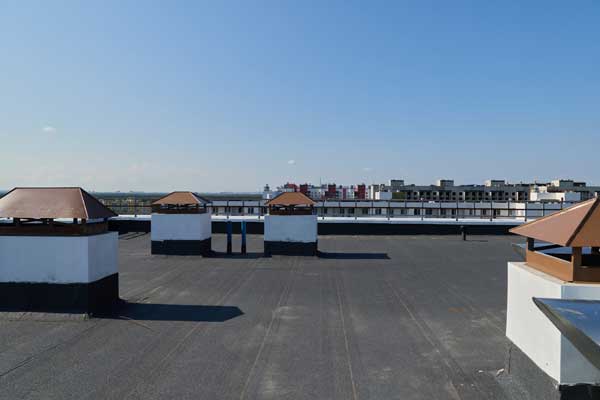
Built-up roofing (BUR) is the original flat roofing system and has been protecting commercial buildings for more than 100 years. Also commonly known as “tar and gravel” roofing, built up roofing consists of alternating layers of asphalt and reinforcing fabrics called plies, topped with an aggregate surfacing of gravel or a mineral cap sheet. This multi-layer construction creates an exceptionally durable, waterproof membrane that has stood the test of time across every climate zone in the United States. For Central Texas building owners looking for proven, reliable flat roof protection, built up roofing remains one of the most trusted commercial roofing systems available.
At Stanley Built Roofing, we install, repair, and maintain built-up roofing systems for commercial properties from Austin to San Antonio to Waco. Whether you are re-roofing an existing built up roof system or evaluating your options for a new construction project, our team provides honest assessments and expert workmanship backed by our commitment to quality.
How BUR Works | The Built Up Roof Installation Process
A built up roof is constructed in layers, with each layer adding waterproofing redundancy. The typical installation sequence is: base sheet mechanically fastened or adhered to the roof deck as the foundation layer; asphalt layer hot-mopped or cold-applied asphalt bonding the plies together; felt ply reinforcing fabric (fiberglass or organic) embedded in asphalt; repeating asphalt and felt ply typically three to five total plies for maximum protection; and aggregate surfacing (gravel, slag, or mineral cap sheet) for UV and weather protection. With proper maintenance, built up roofs can last 20 to 30+ years.
Built up roof systems are especially valued for their redundancy and ability to provide long-term waterproof protection for commercial roofing systems. If one ply is compromised, the layers beneath continue protecting. The use of gravel surfacing provides outstanding fire resistance and is durable enough to handle heavy equipment loads and maintenance crews—making these systems ideal for a variety of flat roof commercial applications.
Advantages of Built-Up Roofing | Durability and Redundancy in Commercial Roofs
Built up roofing has earned its reputation through more than a century of reliable performance. While newer single-ply membrane systems have gained market share, built up roofing continues to be the right choice for many commercial roofing systems, particularly those demanding maximum durability and redundancy. Advantages include a proven 100+ year track record as the most time-tested flat roofing system in existence, multi-layer redundancy that ensures ongoing protection, excellent fire resistance, and a durable surface that stands up to heavy foot traffic and equipment.
These systems require minimal upkeep when properly installed and their gravel aggregate reflects solar radiation, providing UV protection in the intense Central Texas sun. Smooth and mineral cap sheet options are also available, adjusting the weight and maintenance needs to best fit different commercial roof structures. BUR excels on older buildings that can support the extra weight and in industrial settings with frequent rooftop traffic or equipment.
Best Uses and Variations of Built Up Roofing for Commercial Properties
Built up roofing is not the right choice for every building, but it excels in specific applications where its strengths make a real difference. It is ideal for older commercial buildings where the roof structure can support the additional weight, industrial facilities with heavy rooftop equipment and frequent foot traffic, properties that need maximum durability, and buildings where fire resistance is a priority concern. For buildings where weight is a concern or faster installation is preferred, commercial roofing systems like TPO or EPDM may be a better fit.
The surfacing layer is the most visible component of a BUR system and significantly impacts performance, weight, and appearance. The classic gravel-surfaced built up roof offers the best UV protection and fire resistance and is ideal for Central Texas sun exposure. Smooth-surface options offer a lighter-weight, easier-to-inspect system, while mineral cap sheet BURs offer a middle ground for weight and resistance, providing some aesthetic flexibility in commercial applications.
Belt Up Roofing in Central Texas Climate | Energy Efficiency and Maintenance Considerations
Built up roofing performs well under the harsh heat and solar exposure common in Central Texas. The gravel aggregate surfacing on traditional built up roofs reflects significant solar radiation, helping to reduce cooling loads during long summers and moderating temperature swings that can stress commercial roofing systems. The thermal mass of these systems further mitigates roofing expansion and contraction, ensuring a longer-lasting and more reliable roof.
Hot-applied BUR installation produces noticeable asphalt odors, so installation is often scheduled to minimize disruption, such as weekends or periods of low occupancy. Cold-applied BUR alternatives are available for properties where odor is a significant concern. Additionally, reflective roof coatings can be applied over aging BUR systems to improve solar reflectance and energy efficiency without a complete tear-off.
Repair and Maintenance of Built Up Roofs | Extending the Life of Your Flat Roof System
One of the primary benefits of built up roofing is its capacity for cost-effective repair and maintenance. Common repairs include patching for punctures, blisters, or splits; re-coating to extend the life of smooth-surfaced built up roofs; flood coating with rejuvenating asphalt for aging BUR systems; flashing repairs at walls, curbs, and penetrations; and drain clearing to prevent ponding water. Timely and professional repair and maintenance can add years to the functional life of your commercial roofing system.
If a built up roofing system is nearing the end of its lifespan or has widespread damage, a silicone roof coating can often be applied directly to the existing membrane, extending the roof’s life by 10 to 20 years without a complete replacement. For more extensive issues, flat roof repair or re-roofing may be the most cost-effective solution for commercial buildings.
Comparing BUR with Other Commercial Roofing Systems | Informed Choices for Building Owners
Many commercial property owners are interested in whether built up roofing is preferable to modern single-ply options like TPO and EPDM. BUR systems are heavier and more labor-intensive to install than single-ply membranes, which often translates to higher upfront costs and longer installation timelines. However, the multi-layer construction of built up roofing provides unmatched redundancy; if one layer is damaged, the layers underneath continue to protect the building.
This feature makes built up roofs especially suitable for industrial environments with heavy foot traffic and equipment. Single-ply systems such as TPO and EPDM, by contrast, are lighter, faster to install, and often more budget-friendly for commercial buildings that do not demand heavy-duty performance. Modified bitumen roofing offers another related option, providing multi-layer benefits with a quicker, less disruptive installation process. Every commercial roofing system has its strengths, and a thorough inspection is key to making the best choice for your property.
Frequently Asked Questions about Built Up Roofs and Commercial Roofing Systems
What is built-up roofing (BUR)? Built up roofing is the original flat roofing system, consisting of alternating layers of asphalt and reinforcing fabrics called plies, topped with gravel or a mineral cap sheet. Also known as “tar and gravel” roofing, built up roofing has been protecting commercial buildings for over a century and remains one of the most reliable waterproofing solutions available today.
How long does a built up roof last? A properly installed and maintained BUR typically lasts 20 to 30 or more years. Consistent maintenance, annual inspections, drain clearing, and timely repairs can help push your roof’s lifespan to the higher end of that range. Each roofing system’s suitability—whether BUR, TPO, or EPDM—ultimately depends on your property’s needs, budget, and environment.
Request a Free Built Up Roof Inspection | Contact Our Commercial Roofing Experts Today
If you are evaluating a new built up roofing system or need repairs on an existing one, our team will provide honest answers and professional recommendations through a free inspection. We are happy to help you weigh the benefits of built up roofs against other commercial roofing systems to ensure you get the protection and value your building deserves. Contact Stanley Built Roofing at (832) 536-8938 or via email at info@stanleybuilt.com to schedule your consultation or inspection today. You can also fill out our online form to get started! Trust us for durability, proven performance, and expert service you can count on for your next roofing project.