Schedule an Inspection to Get Started!
Talk to Our Experts Today to Find Out What We Can Do for YouEPDM Rubber Roofing Systems for Commercial Properties
Single-Ply EPDM for Proven Performance and Longevity
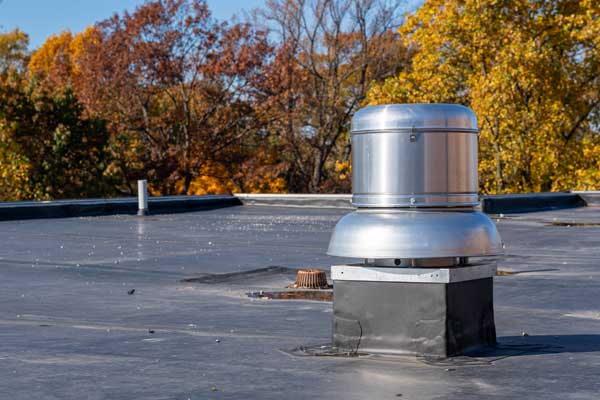
The original single-ply EPDM commercial membrane has established a remarkable legacy of over 50 years of durability and protection for flat roofs. This ethylene propylene diene monomer system is a synthetic rubber membrane that’s been shielding commercial flat roofs for decades, earning its place as one of the most rigorously tested materials in the roofing industry. EPDM rubber roofing is known for exceptional long-term durability, as evidenced by thousands of installations from the 1970s and 1980s that remain functional to this day.
Manufactured in generous sheets—usually spanning 10 to 50 feet—EPDM membranes minimize the number of seams, resulting in fewer opportunities for leaks. As a true rubber compound, single-ply EPDM delivers impressive flexibility over a wide temperature range. Unlike rigid roofing systems susceptible to cracking during freezes, EPDM remains pliable even in rare Texas cold spells and will not soften excessively when subjected to intense heat. This level of adaptability allows building owners to benefit from a cost-effective roofing solution that offers decades of waterproofing with minimal upkeep.
Key Advantages of EPDM and Rubber Roof Repair
EPDM rubber roofing has earned its status as a “workhorse” for commercial applications through its dependable, time-tested track record. The material’s inherent UV resistance is particularly advantageous in regions exposed to powerful solar radiation, like Texas. Notably, EPDM does not require an additional rubber roof coating for UV protection; this trait is built into the compound itself, making the membrane particularly easy to maintain. When damage or leaks arise, rubber roof repair is both straightforward and economical, as patches adhere securely using dedicated EPDM adhesives.
EPDM’s service life is impressive—expect 25 to 30 years of effective protection—while some installations over 50 years old continue to perform. This membrane is not only durable but also flexible in all climates. Easy and affordable to repair, single-ply EPDM is available in wide sheets that reduce the frequency of vulnerable seams and typically comes at a lower installation cost than TPO and most other membrane systems. These features make it a valuable option for warehouses, industrial buildings, storage facilities, and projects where longevity and value are crucial.
Applications, Installation Methods, and Rubber Roof Coating Options
EPDM is ideally suited for projects where budget concerns impact the decision, for properties needing re-roofing but unable to support heavier materials, and for buildings with multiple roof penetrations that benefit from flexible flashing. The membrane comes in standard thicknesses of 45 and 60 mil, available in both black and white color options. Three primary installation methods are used: fully adhered (bonded using adhesive), mechanically attached (securely fastened to the deck), and ballasted (held in place by gravel or pavers). While ballasted systems offer the lowest upfront cost, they require roof structures that can accommodate the additional loading.
Rubber roof coating systems—such as silicone and acrylic coatings—can be applied to EPDM roofs to further extend their service life and enhance waterproofing. In particular, white EPDM is recommended for buildings prioritizing solar reflectance and energy efficiency, while standard black EPDM is better for cases where initial cost is the primary factor and cooling loads are lower. When paired with preventive maintenance and prompt rubber roof repair where needed, these coatings help maximize return on investment and operational continuity.
Common Issues and Proactive Rubber Roof Maintenance
While EPDM is designed for resilience, a few issues may arise over years of exposure. Adhesive bonds may weaken due to UV and thermal cycling; this can typically be corrected through re-adhesion or seam tape reinforcement. Shrinkage can occur gradually, prompting separation from flashings and roof edges. Identifying these issues early enables simple repairs and prevents more extensive damage.
Punctures from HVAC servicing, storm debris, or foot traffic are another concern, but rubber roof repair using appropriate patches and adhesives is reliable and enduring. Standing water should be addressed promptly as it accelerates membrane degradation. Regular inspections—especially after extreme weather—help spot drainage challenges and deterioration, allowing for early intervention and protecting the overall structure. Rubber roof coating solutions can also mitigate long-term exposure issues by creating an additional weather-resistant barrier.
Single-Ply EPDM FAQ and Choosing the Right System
EPDM rubber roofs routinely last 25-30 years with proper installation and continued care, and many in central Texas have exceeded those expectations. The question of whether to select EPDM or TPO for a new commercial roof is common; the answer depends on specific property priorities. TPO is often favored for buildings seeking to curb cooling costs—thanks to its bright, reflective surface and heat-welded seams—but EPDM stands out for its overall affordability, longevity, and ease of rubber roof repair.
Black and white variants offer flexibility: white EPDM is preferred for energy efficiency in sun-intensive climates, while black EPDM delivers economic installation for buildings with lower cooling needs. Maintenance, such as prompt seam repair, debris removal, and occasional application of rubber roof coating, ensures you get maximum lifespan and performance from your investment. For detailed pricing, scheduling a free roof inspection with a trusted roofing company yields project-specific guidance and recommendations tailored to your needs.
Request Your Free EPDM Roof Assessment Today
If you are considering a single-ply EPDM system, require urgent rubber roof repair, or want to extend your roof’s service life with a rubber roof coating, rely on decades of expertise for a thorough and honest assessment. Stanley Built Roofing provides no-pressure consultations that focus on thorough evaluation and straightforward advice. Contact us at (832) 536-8938 or email info@stanleybuilt.com to schedule your free roof inspection and experience quality materials, honest work, and responsive service tailored to your commercial property’s requirements. You can also fill out our online form to get started!